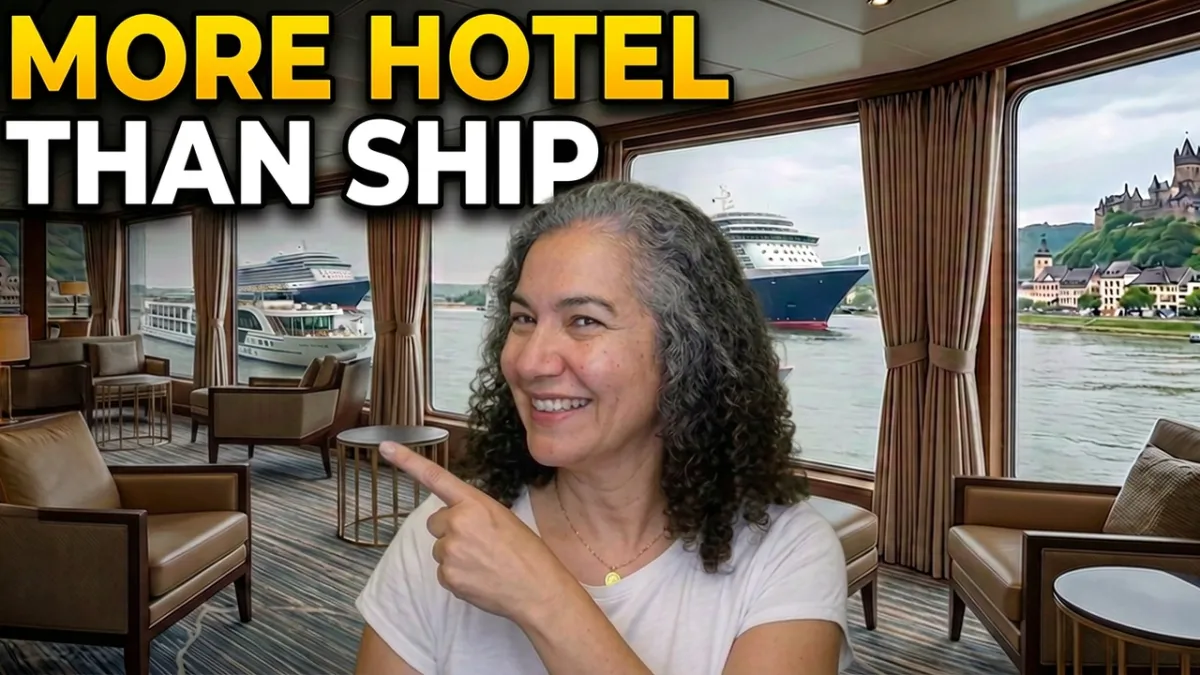
River Cruising Masterclass: Why This Boutique Experience Might Be Your Next Luxury Escape
When it comes to intimate, destination-focused travel, river cruising stands apart from the mega-ship world. Sydney Scallenger, founder of the River Cruising Masterclass Podcast and a lifelong cruiser who fell hard for rivers in 2021, shares her expert insights, from family-friendly options to the real differences between ocean and river voyages.
The honest answer: if you want a land-tour feel with the comfort of a floating boutique hotel, river cruising delivers something large ships simply can’t.
Luxury is deeply personal. For many travelers, it means waking up in the heart of a city, exploring all day, and returning to a refined, uncrowded ship that moves with you, no packing and unpacking required.
Listen to the full episode here:
https://luxury-cruising-podcast-come-explore-the-world-in-style.simplecast.com/episodes/river-cruising-masterclass-ep80
What Defines River Cruising’s Luxury Style
Think of a river cruise as a boutique hotel that travels with you rather than a traditional cruise ship. Ships are small (typically 110–190 guests), dock right in city centers, and focus on the destinations themselves. There are no sea days, fewer onboard “bells and whistles,” and a strong emphasis on culture, history, and immersive experiences.
Sydney breaks the market into clear tiers: ultra-luxury, premium-plus, and premium, while noting that nearly all river products sit at least at the premium level thanks to their inclusions and intimate scale.
Head-to-Head: Key Luxury Metrics That Matter
Ship Size & Ambiance
Riverside: Smallest at around 110 guests.
Uniworld: Typically 140–150 guests with uniquely themed ships (Parisian hotel style on the Seine, vibrant night-market vibes in Egypt).
Viking: Largest common size at up to 190 guests.
Overall feel: Intimate and easy to navigate, no getting lost on day seven.
Dining & Inclusions
Most meals in a single refined restaurant with rotating, destination-inspired menus.
Uniworld stands out with nearly all excursions included, unique experiences (castle dinners on the Rhine), and multiple activity options.
Many lines include introductory excursions, wine/beer with meals, and a high level of personalization.
Itinerary Style
True destination immersion: Dock in city centers, spend full days exploring, and sometimes stay overnight (e.g., Vienna on the Danube).
Active options: Bike rides, castle hikes, and cultural deep-dives, far from a pure relaxation cruise.
Family-friendly specials: Tauck Bridges, Uniworld programs, and Adventures by Disney (often using AmaWaterways ships) with kid-focused activities.
What’s Included (and What Isn’t)
Strong all-in value on most lines, though balconies vary (French balconies are common; traditional ones appear on lines like Scenic and some AmaWaterways ships).
No kids’ clubs on standard sailings, think hotel autonomy rather than shipboard entertainment.
US river cruising (American Cruise Lines with Viking on the Mississippi) is a different product: more educational, slower-paced, and typically older demographic.
Which River Cruise Experience Is Right for You?
Choose river cruising (especially Uniworld, Tauck, or AmaWaterways) if you want:
A boutique, destination-first experience with minimal crowding
Cultural immersion and active exploration rather than onboard spectacle
Family travel with multi-generational or kid-focused options
European rivers or emerging “exotic” destinations (Mekong, Amazon, Egypt, new Venetian routes)
Choose a large ocean ship if you prefer:
Sea days, extensive entertainment, kids’ clubs, and multiple dining venues
Pool-deck relaxation as a primary focus
The “ship as destination” model
The Bottom Line
River cruising offers a refined, educational, and highly personal way to travel, especially in Europe where the ship serves as your elegant base while the real magic happens ashore. Whether you’re a first-timer, a family looking for something different, or a seasoned ocean cruiser ready for a change of pace, the key is matching the line and itinerary to your travel style.
Water levels can occasionally affect itineraries (less than 5% of sailings on average), but operators have well-practiced solutions, from bus transfers to seamless ship switches. The result is still a memorable journey through history and culture.
Join the Conversation
Have you tried river cruising, or are you still on the fence? Which river or line is calling your name? I’d love to hear your thoughts.
Email me at: [email protected]
And if you enjoy deep-dive comparisons and luxury travel insights, don’t forget to subscribe to my YouTube Channel and tap the notification bell so you never miss a new post.
Pro Tip: If you love tracking your itineraries or displaying your cruise memories, check out the maps, cards and albums from The Cruise Maps. Their designs make incredible décor for your office, hallway, or travel wall — and you can get 10% off with my link: TheCruiseMaps.com/Luxury.*
*no cost to you, helps support the podcast.


